
False Alarms Are Costing Toronto Businesses Money — and Police Response Priority
Every business owner with an alarm system has lived this sequence: the panel trips at 2 a.m., the monitoring company calls your cell, you drive across the city half-awake — and it's nothing. Wind rattled a door. A balloon drifted past a motion sensor. A cleaner forgot the code.
Annoying, yes. But the deeper costs of false alarms are the ones that show up later: municipal fees, and a response system that quietly stops taking your alarms seriously.
The direct cost: alarm fee programs
Police services across the GTA — including Toronto — operate alarm response fee programs. The structure varies by municipality, but the pattern is consistent: police response to alarms is a paid or registration-based service, and repeated false activations lead to escalating fees and, eventually, suspension of response entirely. Some services require alarm companies to attempt verification before police will attend at all.
In other words: the era of "the alarm goes off, police show up, no questions asked" is over across most of the GTA. Check your own municipality's current fee schedule — the details change, but the direction has been the same everywhere for years: unverified alarms are being deprioritized.
The hidden cost: response priority
The fees are the visible problem. The bigger one is what false alarms do to response times.
The overwhelming majority of conventional burglar-alarm activations turn out to be false. Dispatchers know this, and alarm calls are triaged accordingly — an unverified alarm signal is, statistically, almost certainly nothing. So it waits behind calls where something is confirmed to be happening.
That triage logic is entirely rational. It's also brutal for the one night in a hundred when your alarm is real: your genuine break-in inherits the response priority earned by the ninety-nine false ones.
What changes with video verification
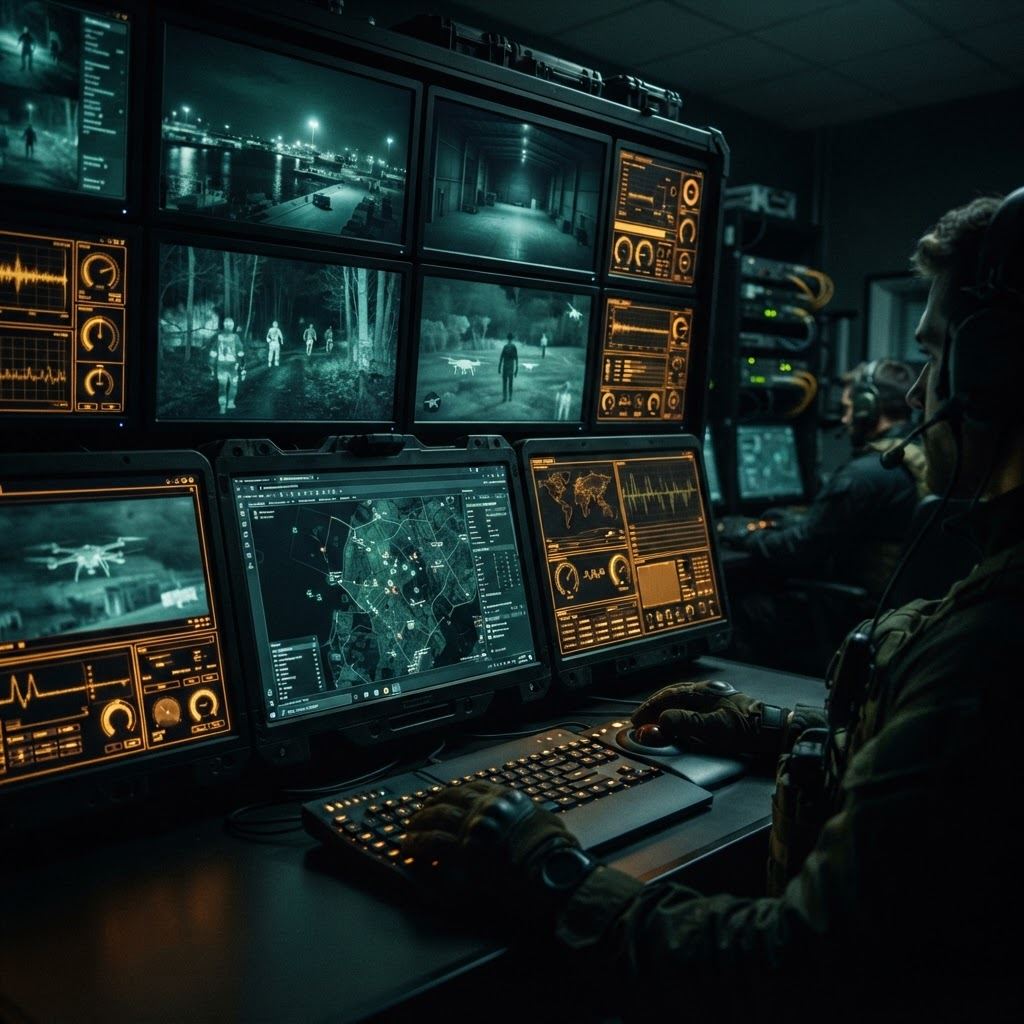
A video-verified alarm is a different kind of call. When a trained operator is watching a live camera feed and phones police to report "I am watching two people cutting the fence at this address right now — here's what they're wearing", that's not an alarm statistic. That's an eyewitness report of a crime in progress.
The practical differences:
No false dispatches. The operator sees the balloon, the cat, the wind-blown tarp — and simply doesn't call. Police are only ever contacted about confirmed activity, which means no chargeable false alarms accumulating against your address.
Crime-in-progress priority. A verified report is dispatched like a witnessed break-in, not filed with routine alarm calls. Officers arrive knowing what they're walking into, where on the property it's happening, and who they're looking for.
Evidence from second one. The same live feed that verified the threat becomes timestamped video evidence for police and your insurer.
This is exactly how our Operations Center works. Every dispatch we make is human-verified on live video first — read the full protocol from camera to police arrival.
See how dispatch worksReducing false alarms even without monitoring
If you're keeping a conventional alarm setup, these steps cut false activations meaningfully:
Audit your entry procedures. A large share of false alarms are staff errors — wrong codes, wrong disarm order, forgotten schedules. Retrain seasonal staff and cleaners every time the roster changes.
Maintain the hardware. Loose door contacts, dying sensor batteries and unsealed windows are chronic repeat offenders. An annual service visit costs less than one fee.
Rethink motion sensor placement. Sensors aimed at HVAC vents, hanging signage or windows facing headlights will keep crying wolf forever.
Register your alarm and keep contacts current. If your municipality requires alarm registration, keep it up to date — response can be refused to unregistered systems, and outdated keyholder lists slow everything down.
The bottom line
False alarms drain money directly through fee programs and indirectly through degraded response priority — and the second cost is the one that hurts on the night it matters. Video verification fixes both sides of the equation: nothing false ever gets dispatched, and everything real gets treated as real.
Want your alarms verified before police ever get called? Get a free quote or call +1 (437) 747-1999 to talk through how live monitoring would work with your existing cameras.